Il tuo carrello
Non ci sono più articoli nel tuo carrello



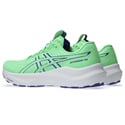
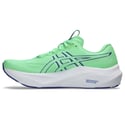
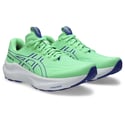
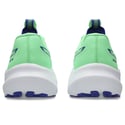
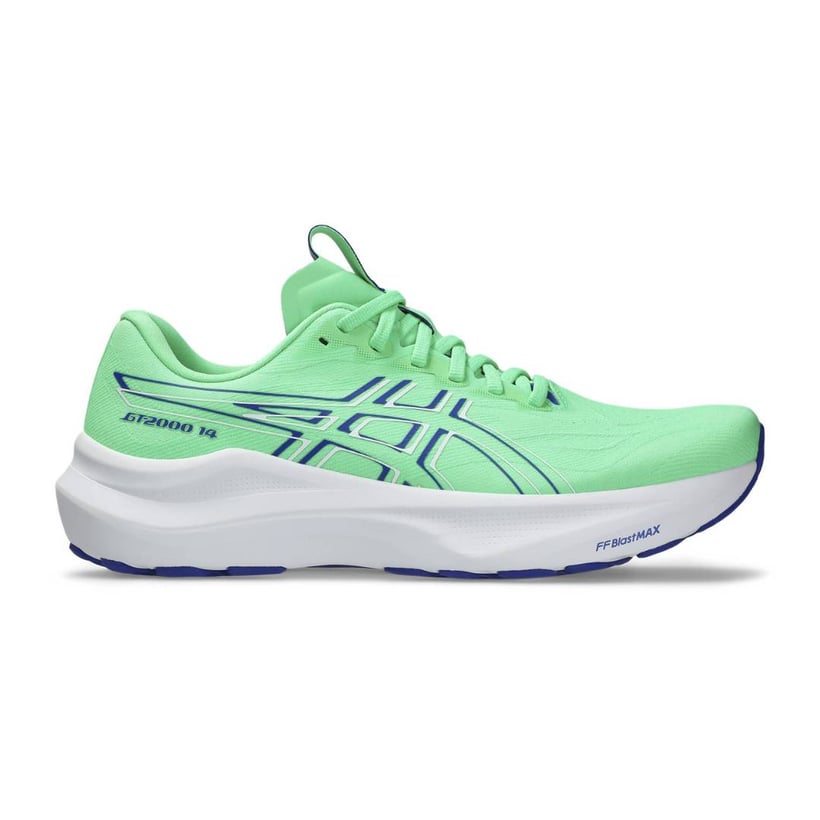
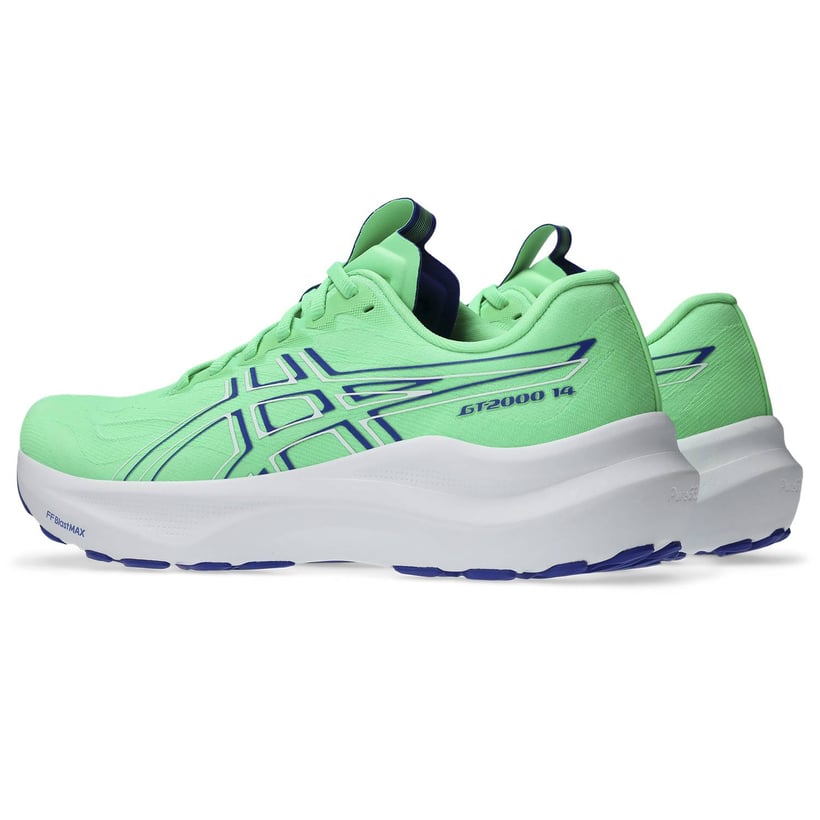
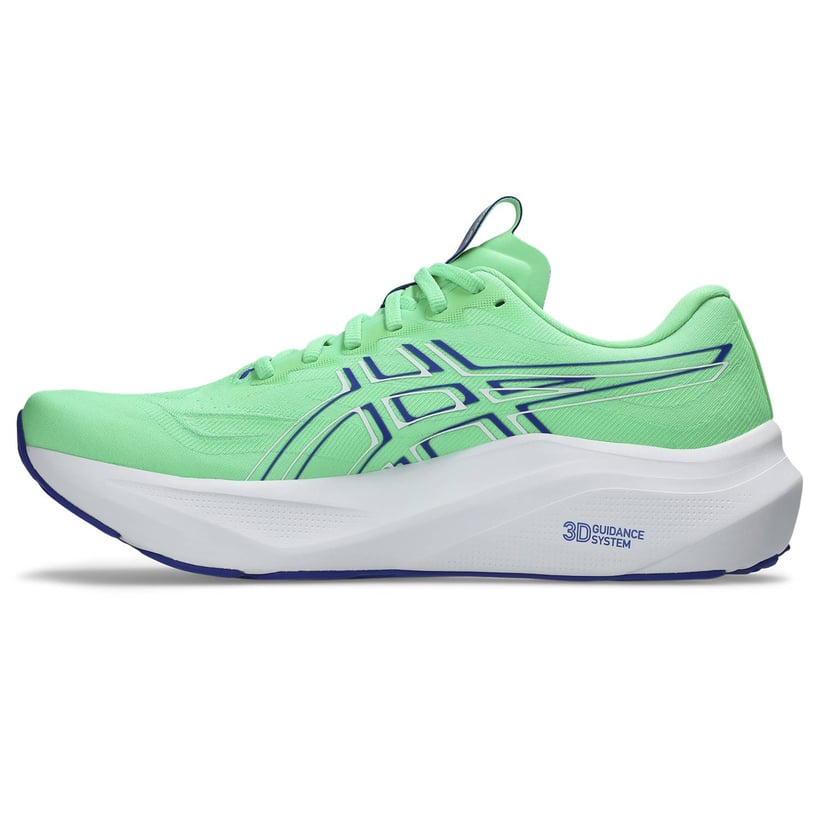
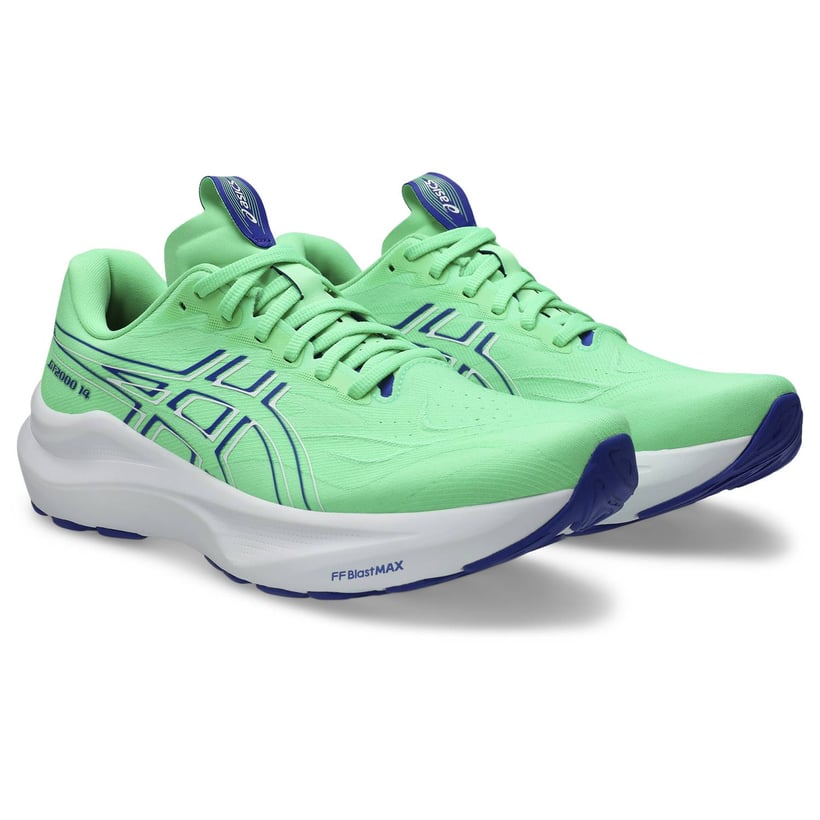
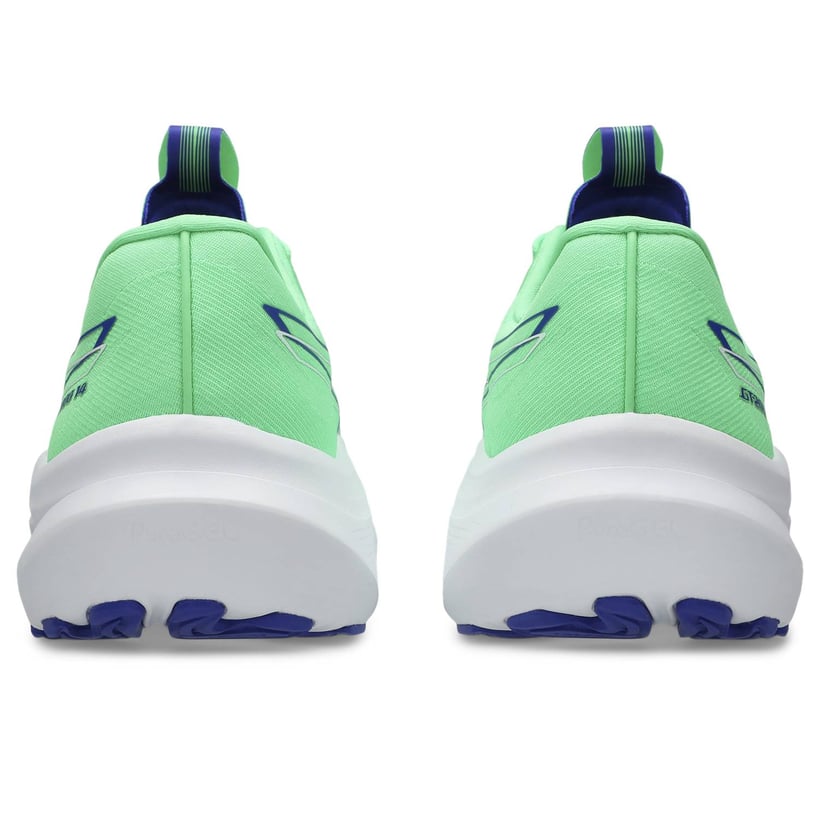
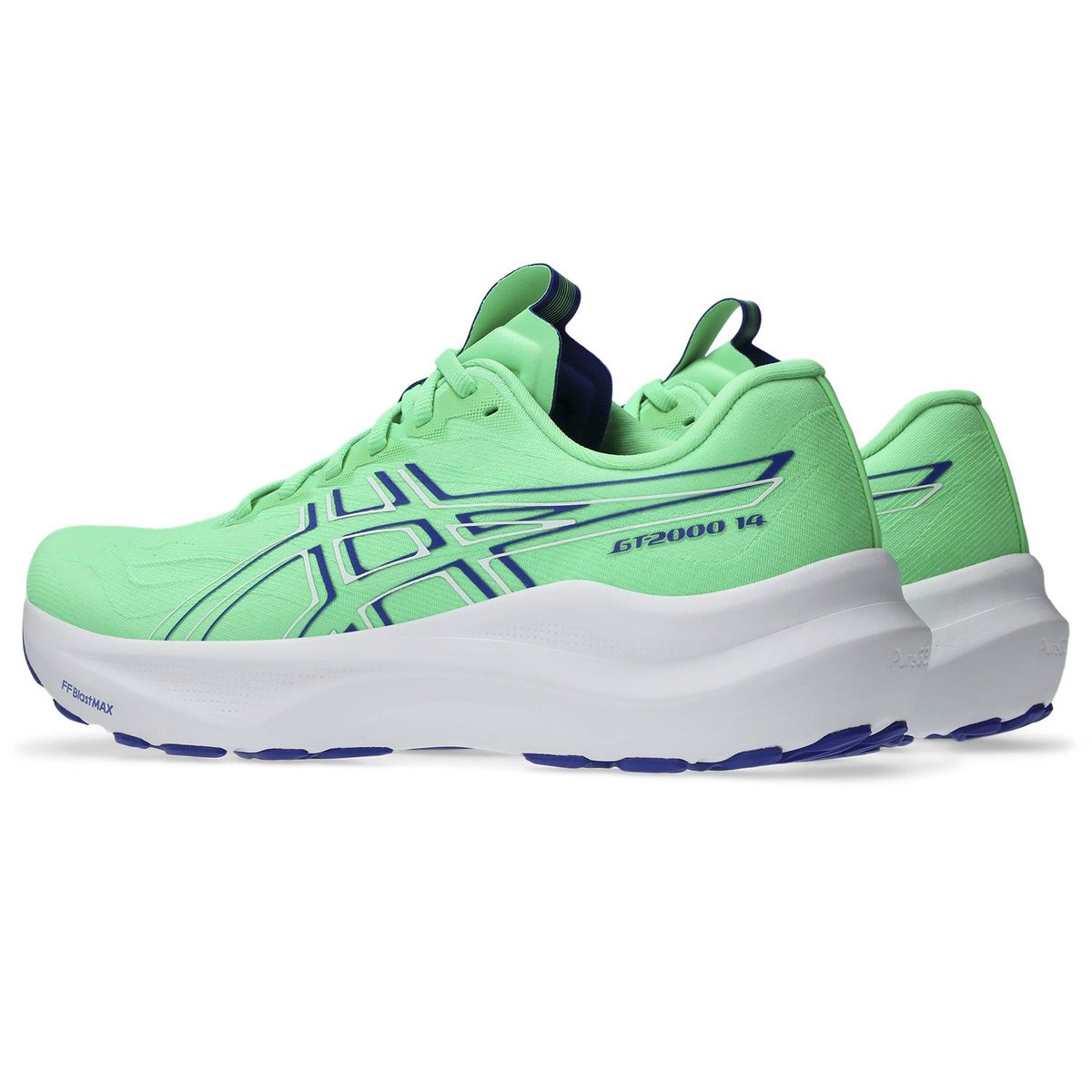
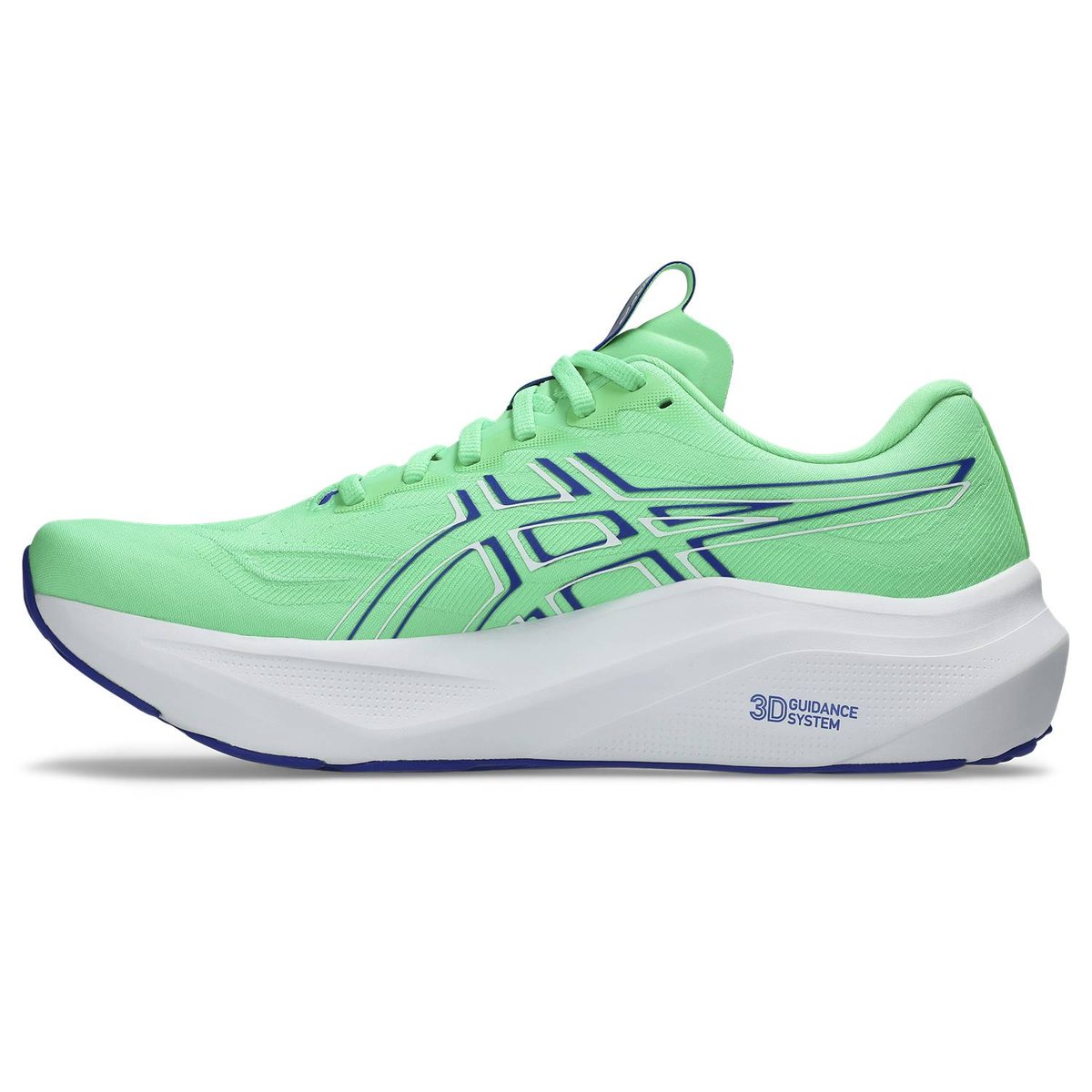
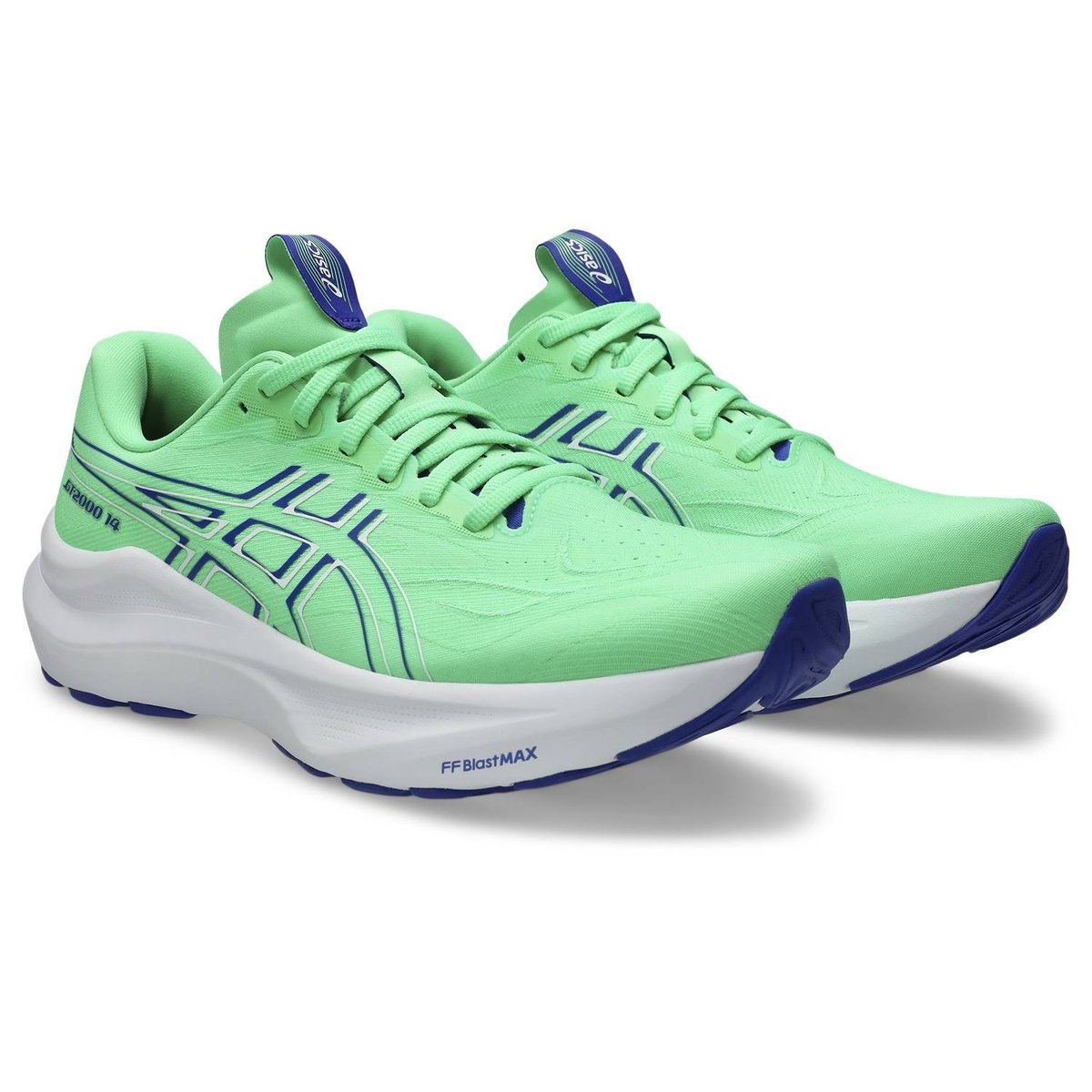
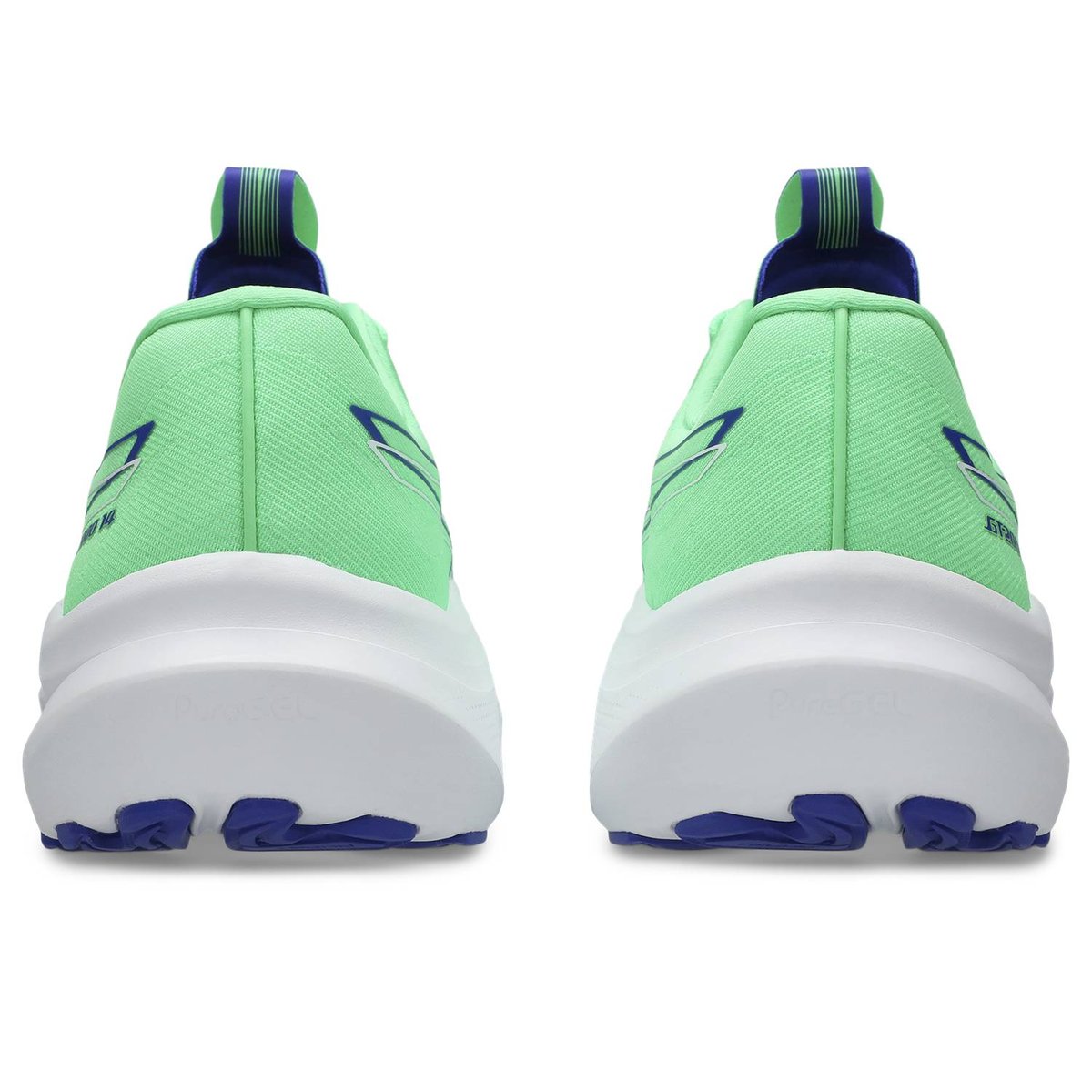
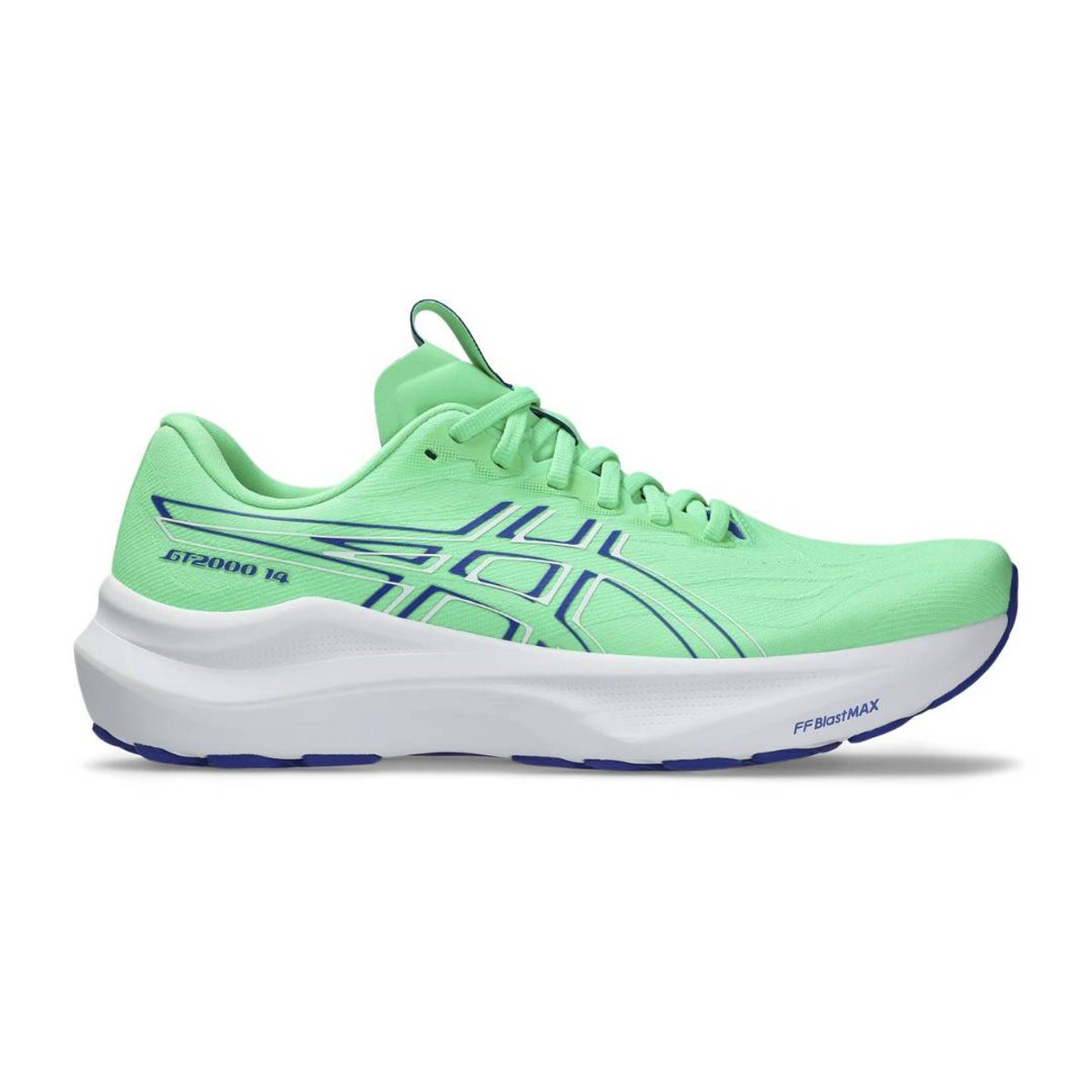
Scarpe Asics Gt-2000 14 Verde Bianco SS26
Vedi commenti
-34%
195,20 $
129,26 $
Risparmi
65,94 $
Compralo adesso e ricevilo tra 24 lug e 27 lug con InPost
Spedizione gratuita
Resi entro 30 giorni
ASICS GT-2000 14 – Corri con stabilità e morbidezza intelligente
Le ASICS GT-2000 14 sono pensate per offrirti una corsa più stabile, fluida e confortevole su asfalto. Incorporano tecnologie come 3D GUIDANCE SYSTEM, PureGEL e FF BLAST MAX per offrire controllo, morbidezza e un'ammortizzazione leggera che accompagna ogni passo.
- Superficie: Asfalto
- Tipo di scarpa: Supporto
- Uso: Allenamento
- Peso: 270 g
- Drop: 8 mm
- Ammortizzazione: FF BLAST MAX + PureGEL
Caratteristiche tecniche
Le GT-2000 14 sono progettate per i corridori che cercano una combinazione di stabilità, comfort e reattività per allenarsi su asfalto. Il loro sistema di guida 3D e la doppia tecnologia di ammortizzazione aiutano a correre con maggiore sicurezza ad ogni passo.
Intersuola che stabilizza e ammorbidisce ad ogni passo
La schiuma FF BLAST MAX offre un'ammortizzazione leggera e confortevole, mentre la tecnologia PureGEL riduce l'impatto e allevia la pressione sulle articolazioni. Insieme, garantiscono un'esperienza di corsa più fluida e protettiva. Inoltre, il sistema 3D GUIDANCE SYSTEM corregge l'appoggio e fornisce stabilità aggiuntiva senza compromettere la naturalezza del movimento.
Design strutturato senza bisogno di placca
Non include placca in carbonio né materiali rigidi, ma il suo sistema 3D GUIDANCE lavora in modo integrato per offrire stabilità dinamica e progressiva in ogni fase dell'appoggio.
Upper tecnico, leggero e funzionale
L'upper in tessuto tecnico migliora la ventilazione e il comfort, mentre i rinforzi AHARPLUS nel tallone aumentano la durata. Conta anche su dettagli riflettenti per una maggiore visibilità e una soletta OrthoLite X-30 che facilita la calzata.
Suola resistente per allenamenti lunghi
Incorpora una suola in gomma AHAR ad alta durabilità che migliora la trazione e resiste all'usura quotidiana su superfici dure come l'asfalto.
Design consapevole dell'ambiente
Almeno il 91% dell'upper è realizzato con materiali riciclati. Inoltre, la soletta, gli occhielli, la punta, la linguetta e il rivestimento del collo utilizzano anche componenti riciclati, riducendo il consumo di acqua e le emissioni nella loro produzione.
- Sexo
- Uomo
- Color
- Verde
1011C056-300-435
4571633383670
Metodi di pagamento





Tocca per ingrandire