
Your cart
There are no more items in your cart



Buy it now and receive it between 24 Jul and 27 Jul with InPost
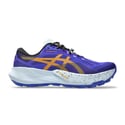
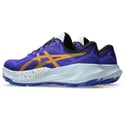
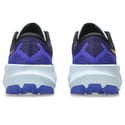
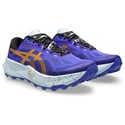
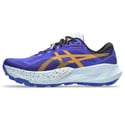
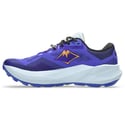
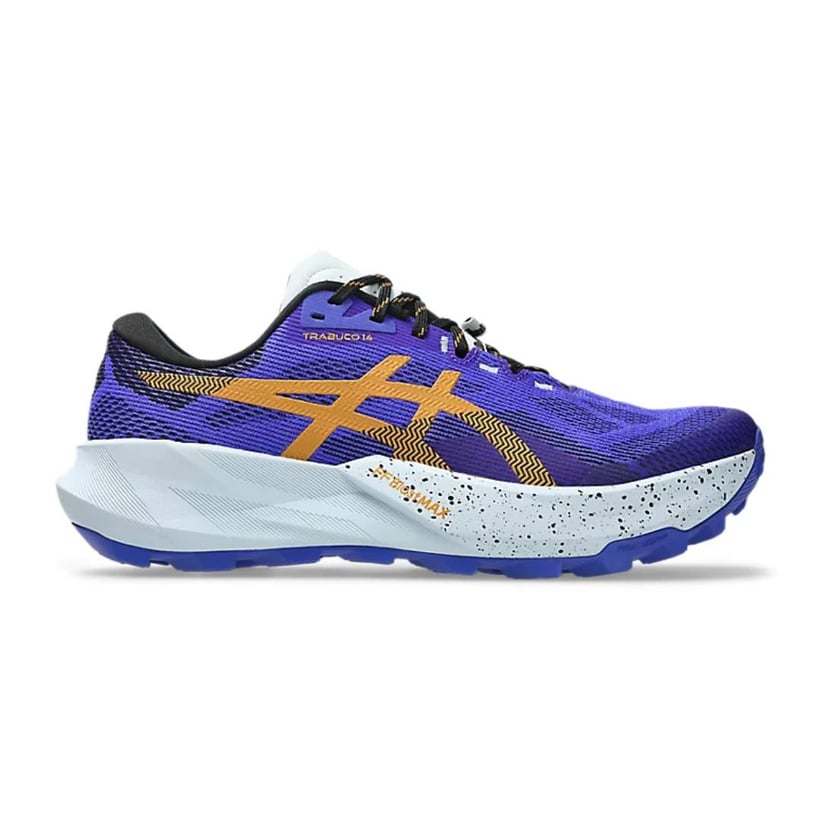
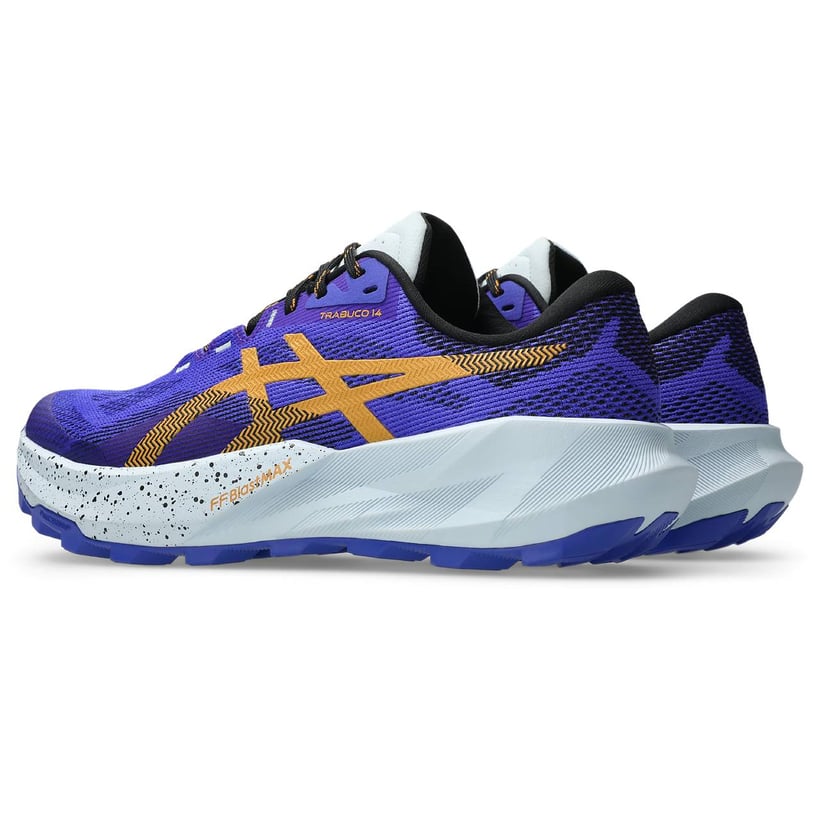
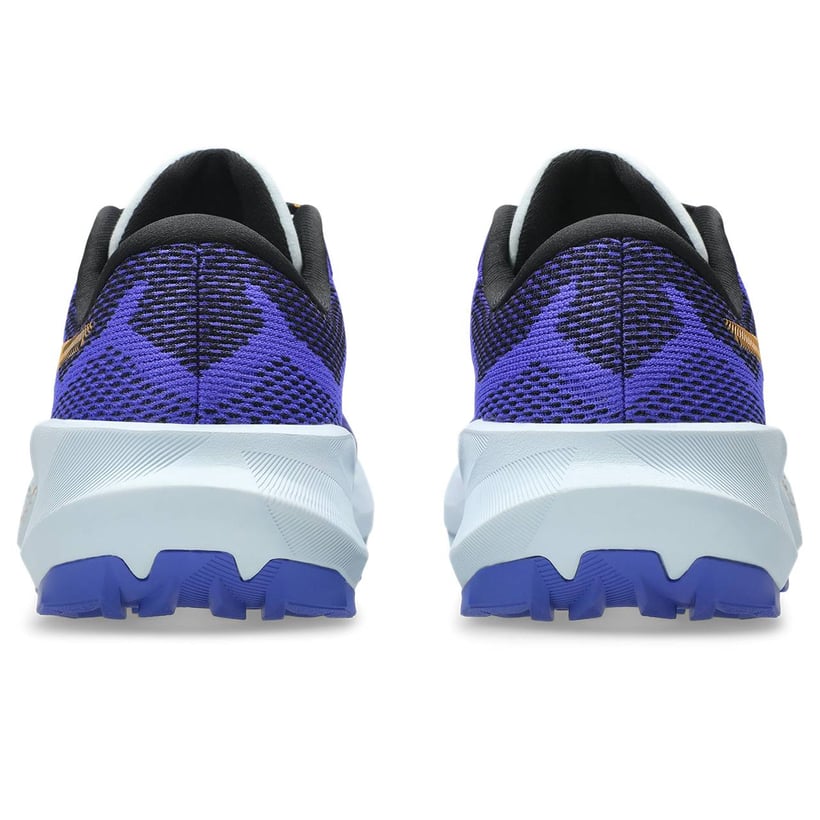
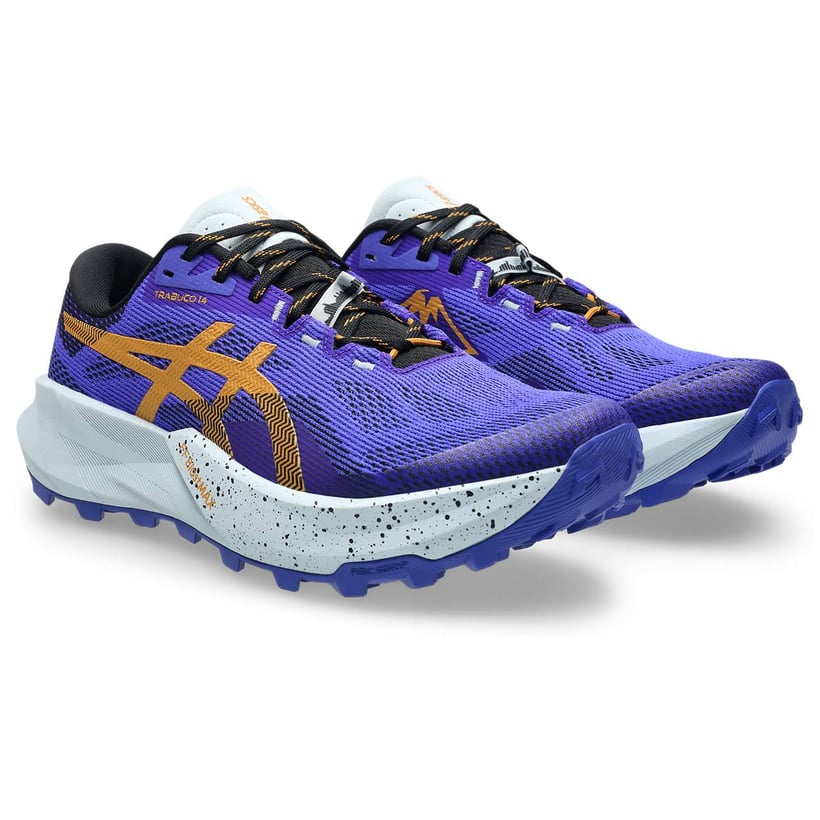
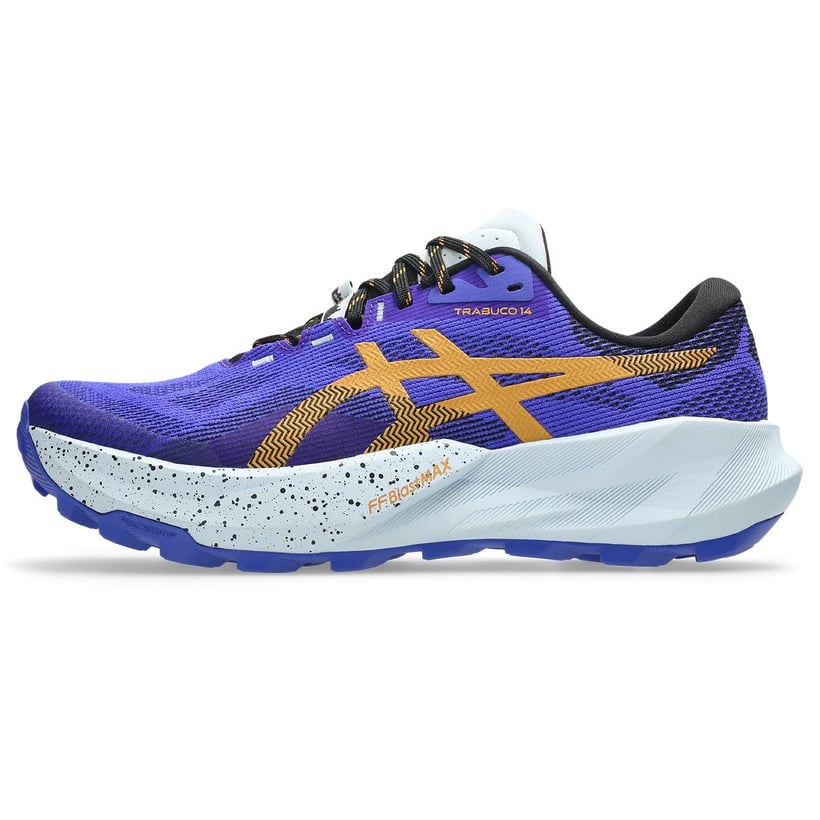
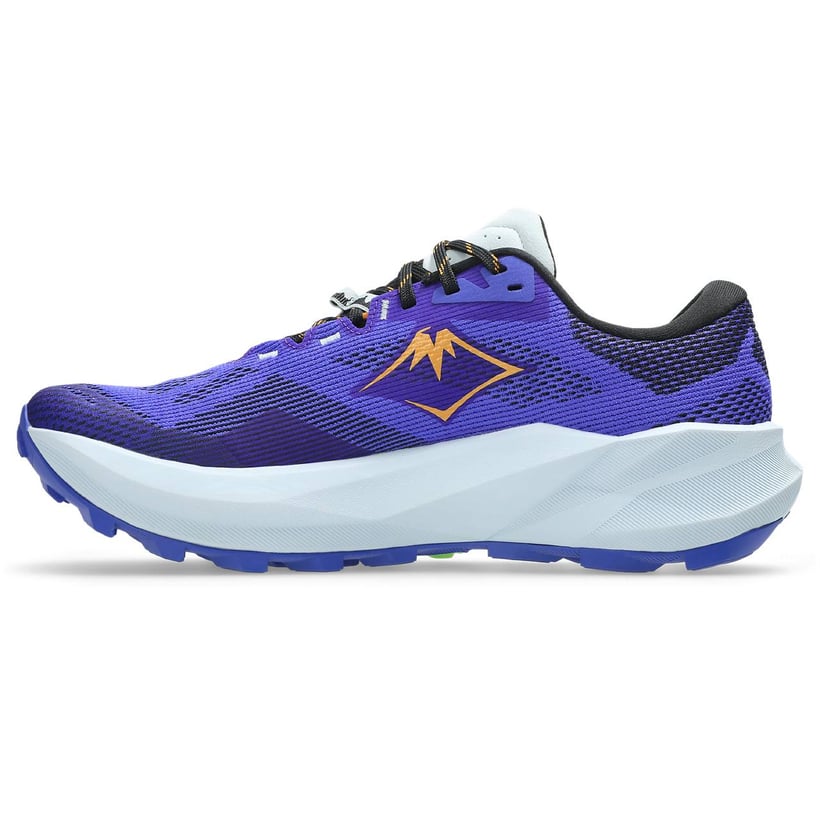
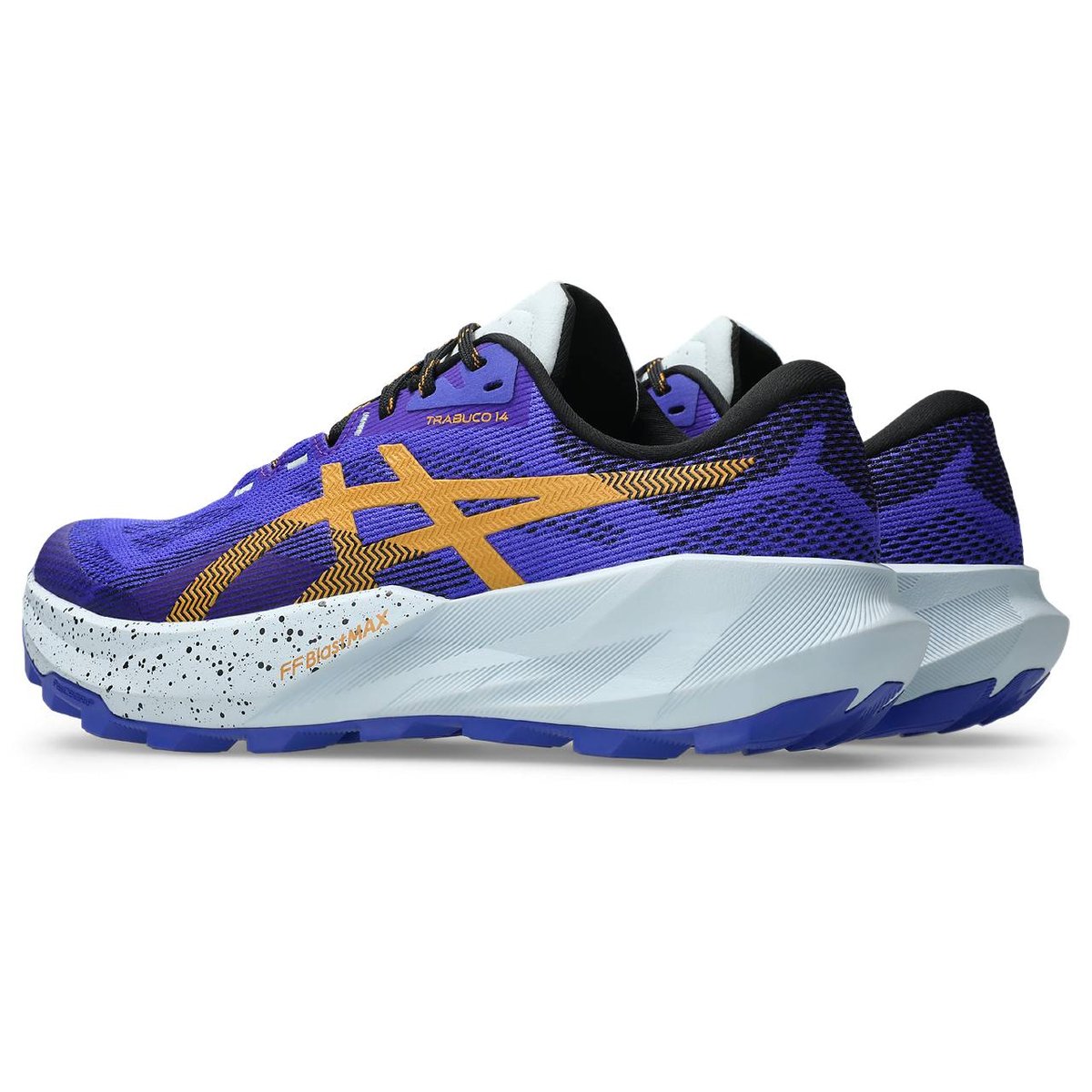
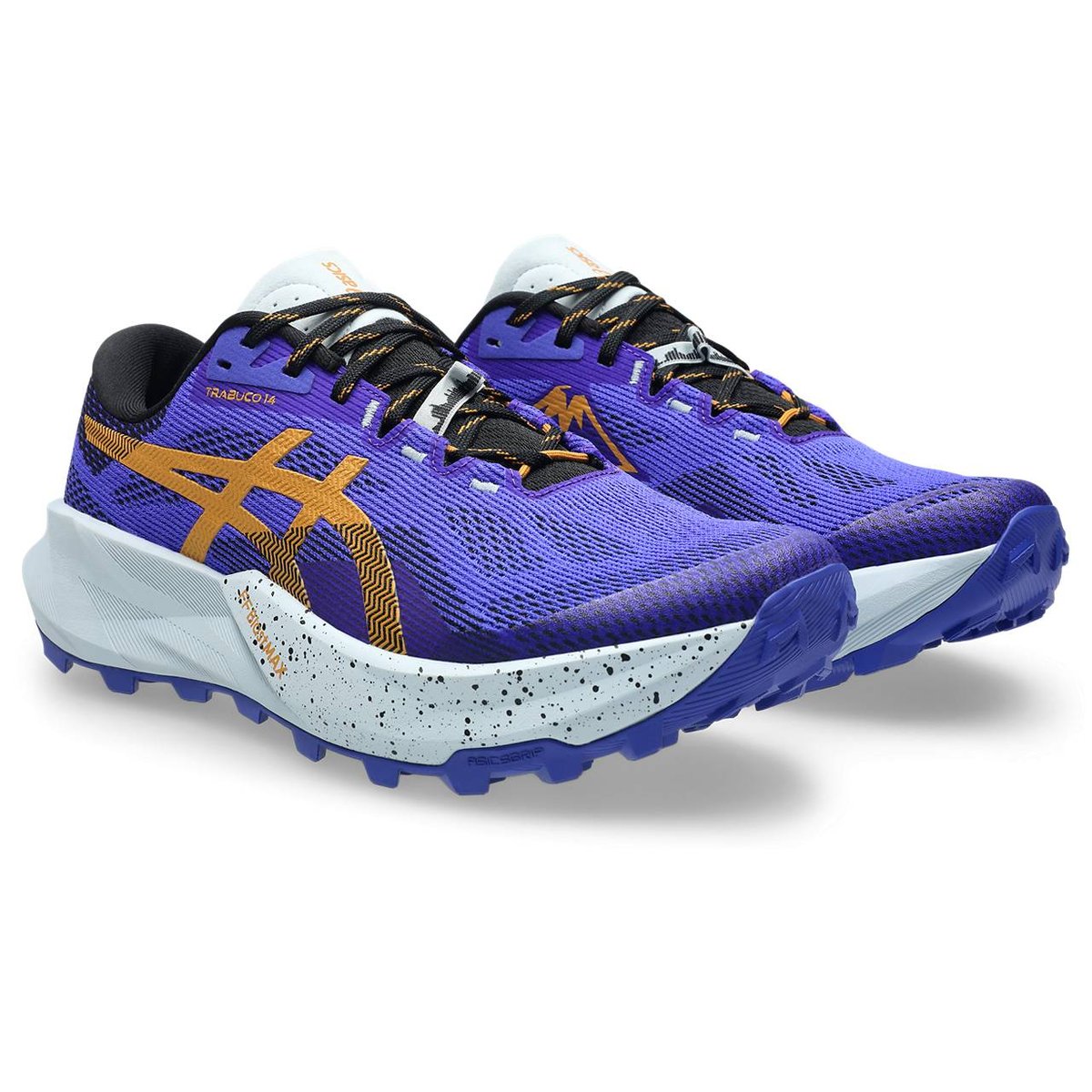
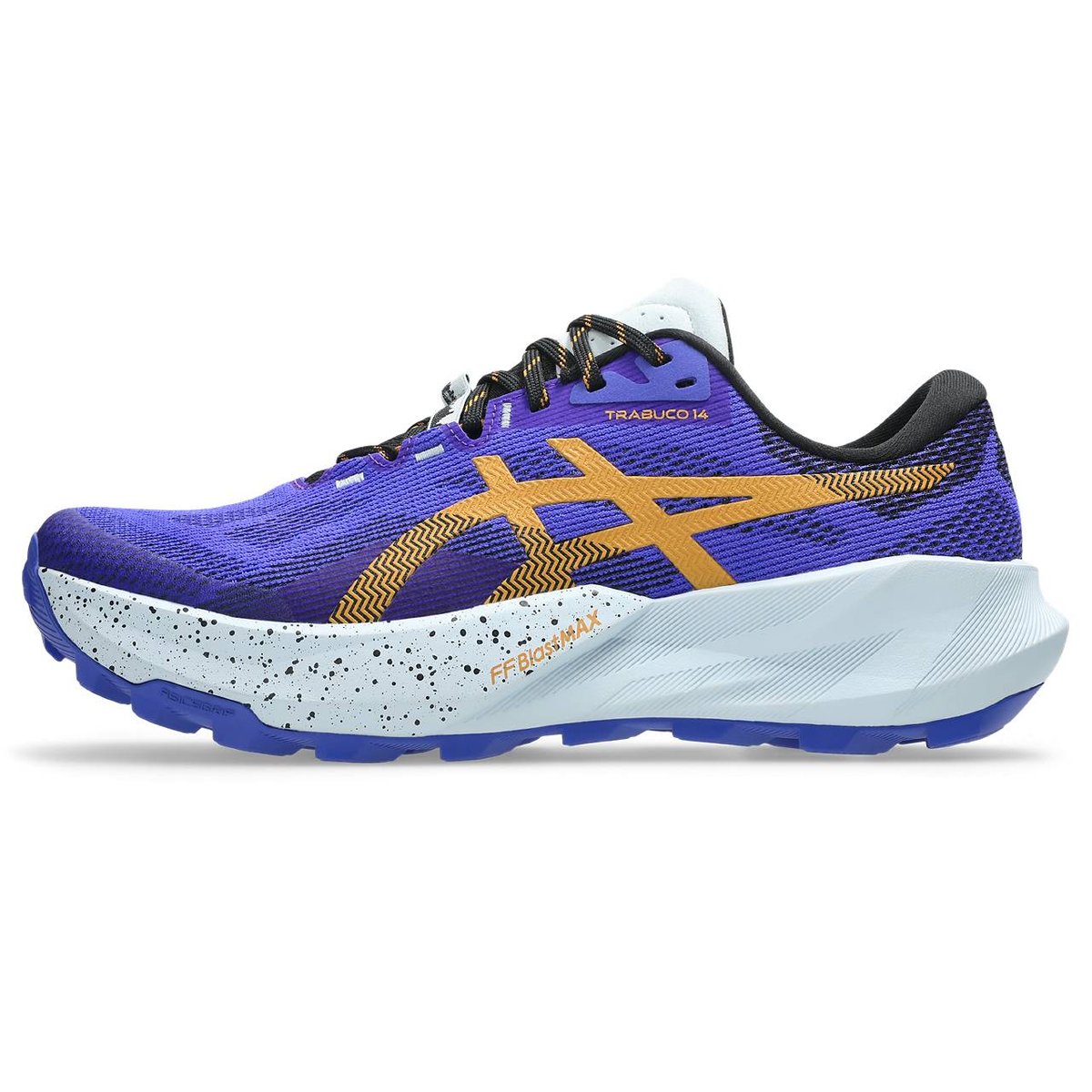
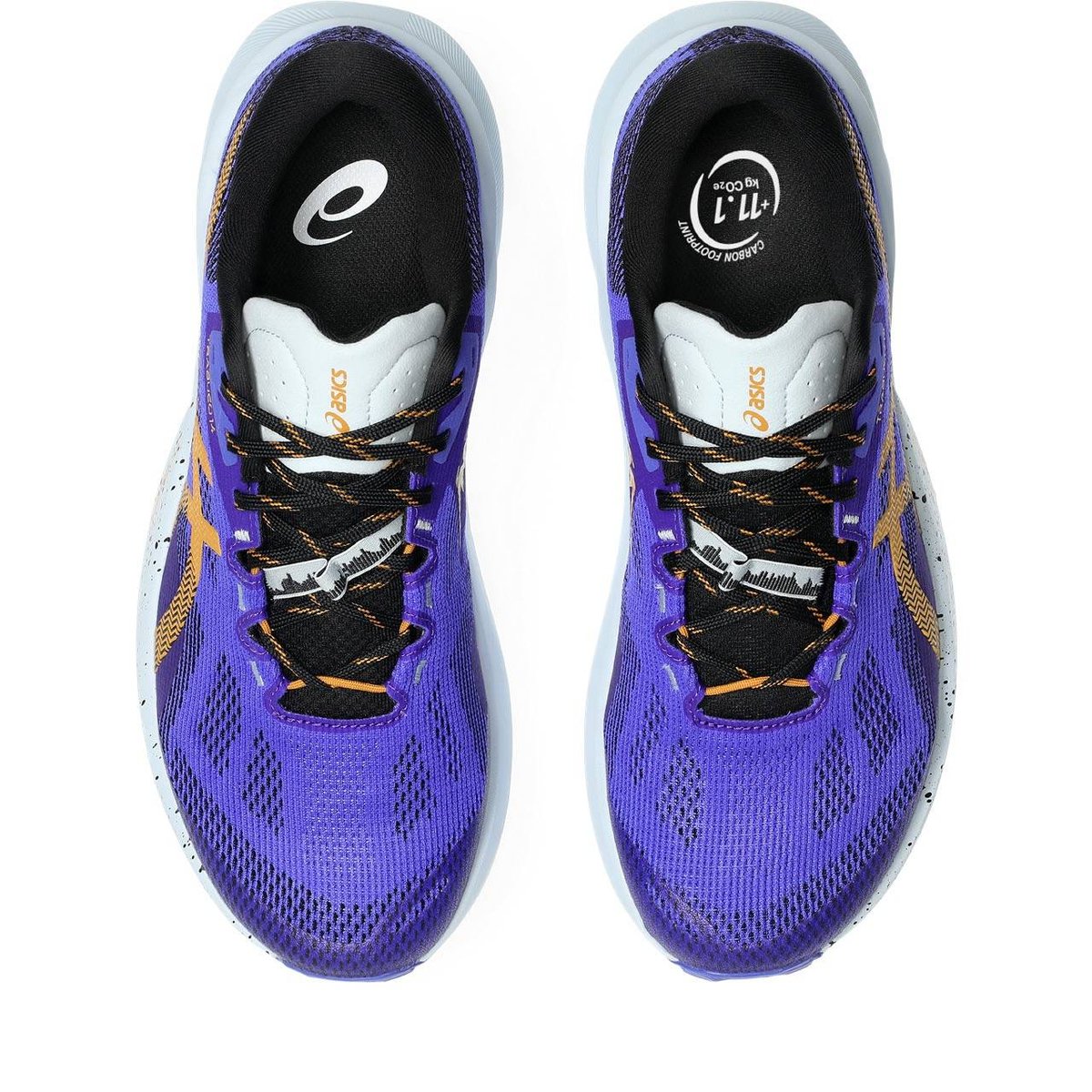
Asics Trabuco 14: Precision and comfort in every mountain stride
The Asics Trabuco 14 is designed to maximize confidence with each step thanks to its combination of reactive cushioning, trail-adapted support, and protection against technical terrains. Its renewed design favors a comfortable run, even over long distances.
- Surface: Trail
- Shoe Type: Neutral
- Use: Training
- Weight: 281 g
- Drop: 8 mm
- Anti-rock Protection Plate: Yes
- Cushioning: FF BLAST MAX
Technical Features
With a clear focus on comfort, protection, and mountain performance, the Asics Trabuco 14 evolves to offer a more stable, cushioned, and secure trail running experience, even on unpredictable routes.
Enhanced cushioning with more energy return
The midsole incorporates FF BLAST MAX, a more cushioned and responsive foam. This version offers an additional 2 mm compared to the previous model, ensuring a smoother and more energetic transition with each stride.
Protection without stiffness: Rock Protection Plate
Equipped with a flexible anti-rock plate, the shoe protects the sole of the foot from impacts with hard or rocky terrain without sacrificing the naturalness of movement.
Technical and functional upper design
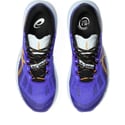
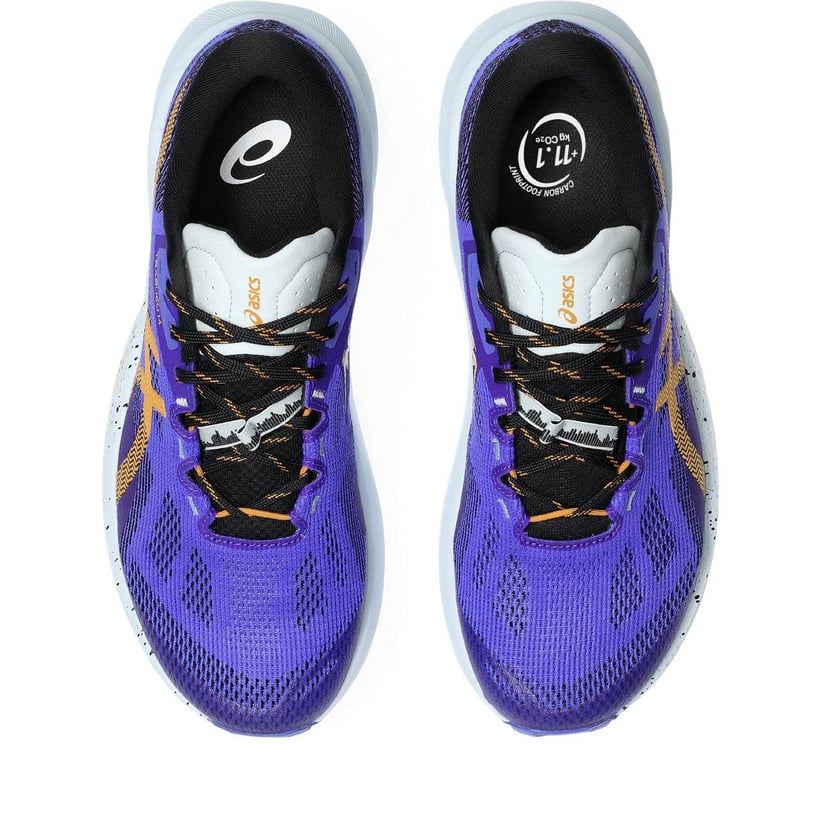
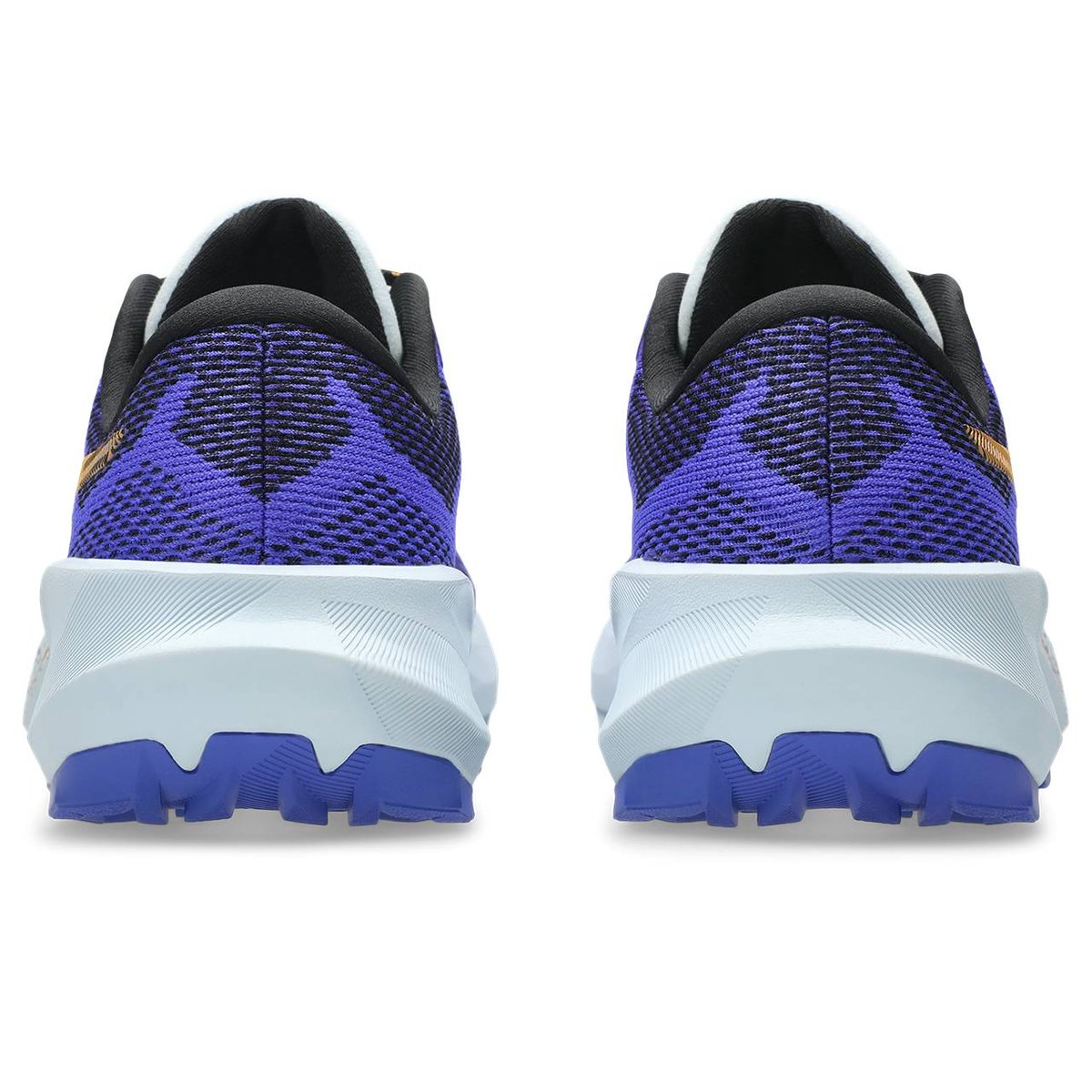
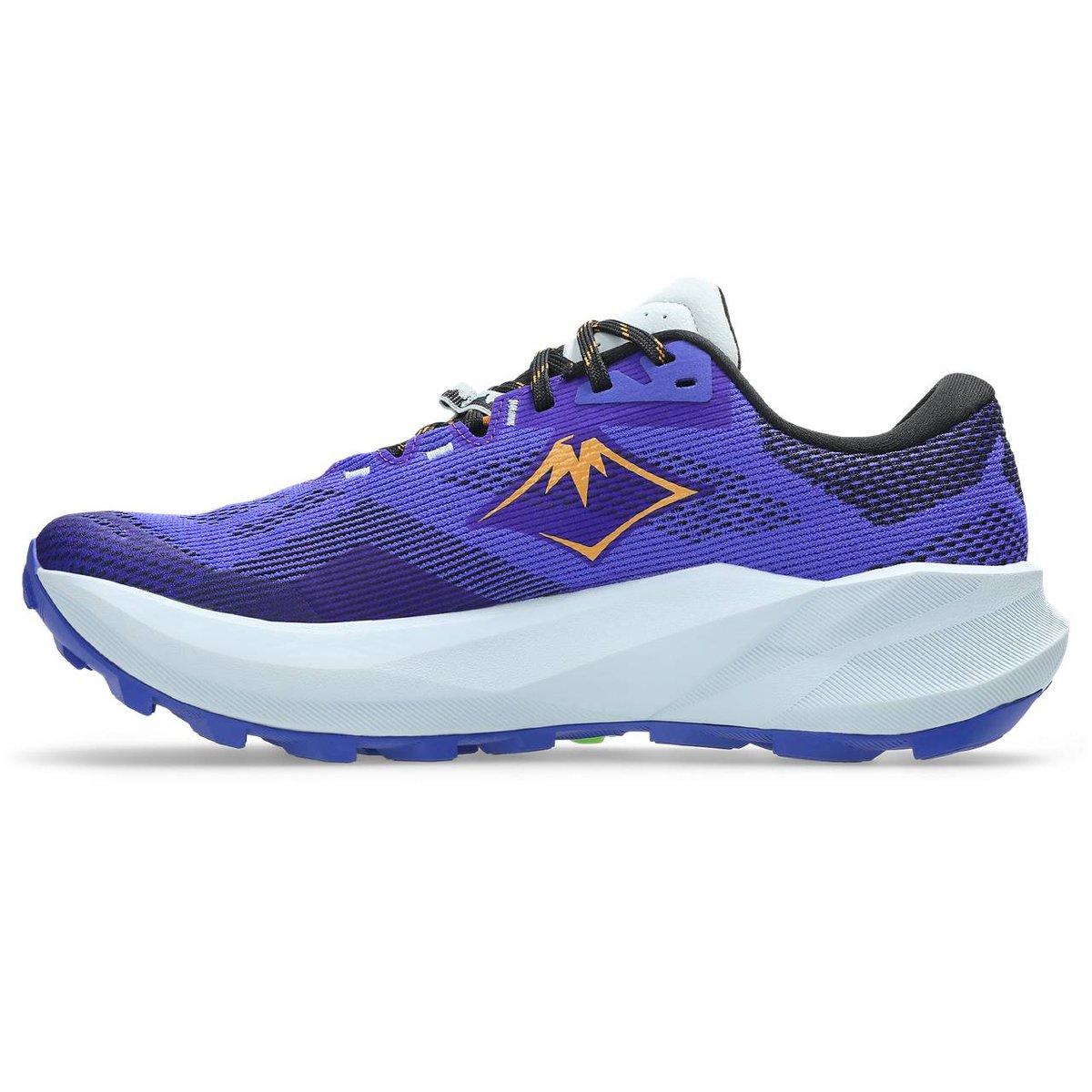
The upper is made of breathable technical mesh that reduces unnecessary reinforcements, keeping the weight low. The new trail-specific fit offers greater midfoot support and a wider toe box that enhances comfort in long races. Additionally, it features an elastic band on the tongue to tuck in the laces and prevent them from coming undone during activity.
Grip that inspires confidence on every terrain
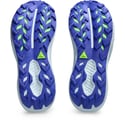
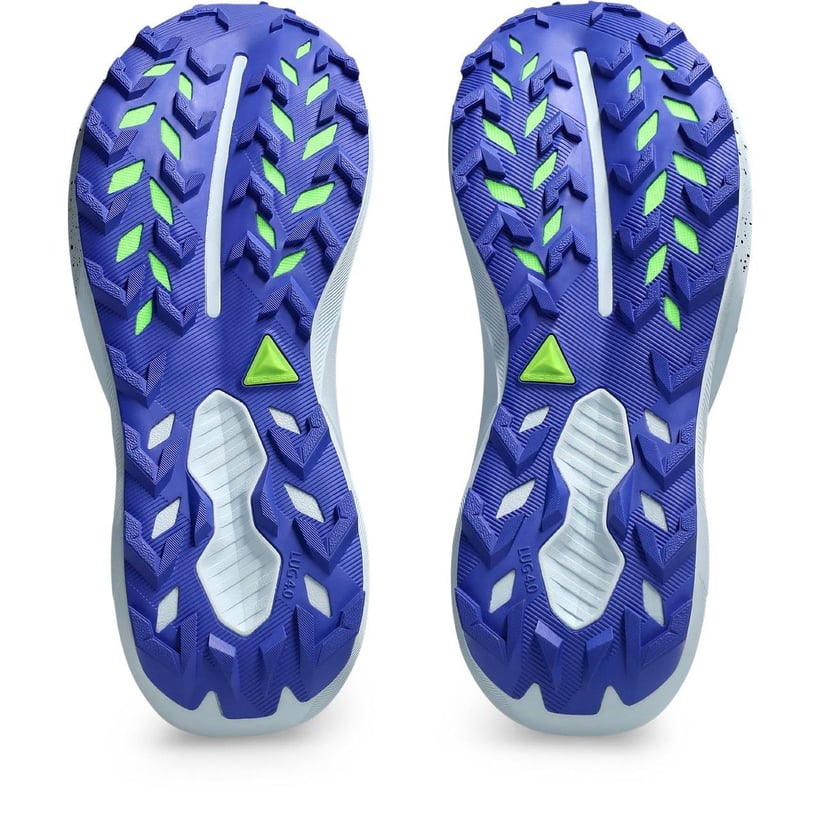
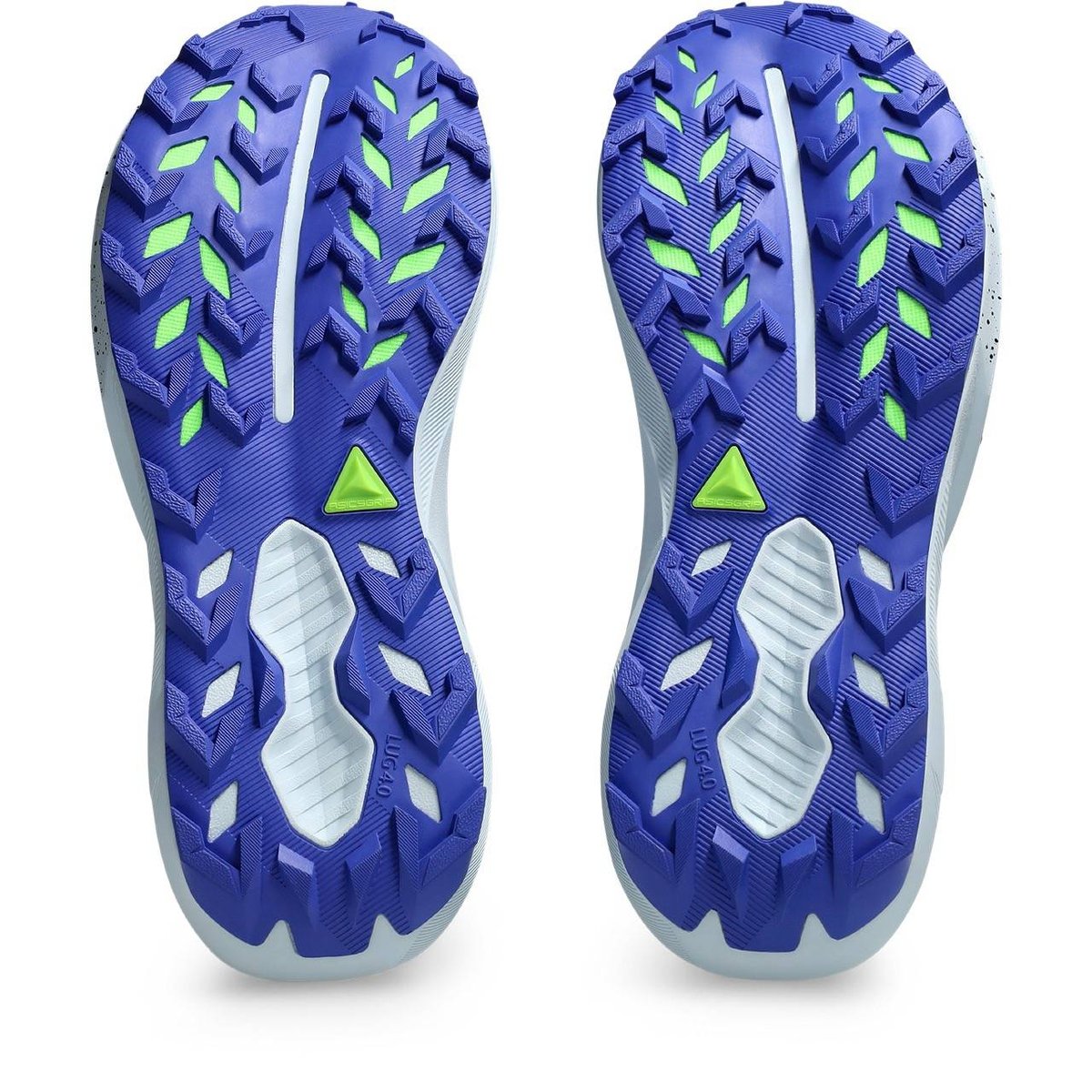
The sole is constructed with ASICSGRIP rubber, a technology patented by Asics that provides advanced traction both dry and wet. Ideal for technical terrains and unpaved surfaces.
Commitment to the environment and animal welfare
The Trabuco 14 has been developed with a vegan and sustainable approach. The insole is dyed using a process that reduces water use by 33% and carbon emissions by 45% compared to traditional methods.
- Sex
- Men
- Color
- Purple
1011C166-400-435
4571633469428
Payment method





Tap to zoom
